MoJ orders deletion of UK’s largest court reporting archive
From The Sun, The Times and a regional reporter from the Oldham Times, who has some very relevant comments as to how this will hinder his work.
A HUGE open justice project designed to help journalists report from Britain’s criminal courts is being shut down today by the Government.
Courtsdesk helped more than 1,500 reporters from 39 media groups search through magistrates’ court lists and registers to monitor cases.
But the digital platform will close after HM Courts & Tribunal Service ordered every record be deleted over a “data protection issue”.
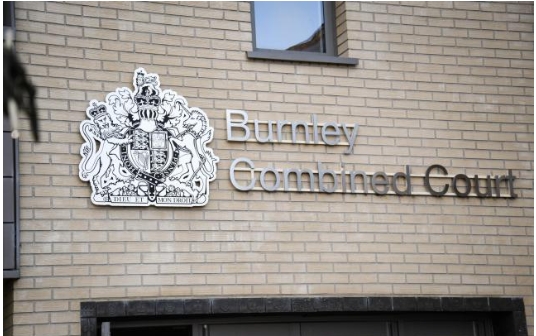
It was launched in 2020 following an agreement with HMCTS and approval by the Lord Chancellor and ex-Justice Minister Chris Philp.
The move has sparked fears of important cases in the public interest going unheard over listing errors or the press not receiving advance notice.
Courtsdesk founder Enda Leahy claimed they wrote to government agencies 16 times to save the online tool.
According to Courtsdesk, the platform has since been used by more than 1,500 journalists from 39 media organisations and the data provided has highlighted serious failures in the courts system.
It said journalists were given no advance notice of 1.6 million criminal hearings, the number of court cases listed was accurate on just 4.2 per cent of sitting days and half a million weekend cases were heard with no notification to the press. Two-thirds of all courts routinely heard cases that the media was not told about in advance. Seventeen courts that sent outcome records had not once published an advance listing in the entire period, the company’s research found.
Chris Philp, the former justice minister who approved the pilot and now shadow home secretary, wrote to Sarah Sackman, the courts minister, demanding the decision be reversed. Last week the government issued a final refusal, meaning the archive must now be deleted within days.
Nat Goodland of the Oldham Times, who works at the coalface of court reorting to the public says
The order to delete Courtsdesk’s archive is not an administrative tidying-up exercise.
It is a decision that makes the criminal courts less visible, less accountable, and harder to scrutinise – and it should worry anyone who cares about open justice.
For those of us who report from court regularly, Courtsdesk became part of the daily machinery of doing the job properly.
I’ve been covering cases at the Crown Courts in Preston and Burnley since early 2023. CC Preston, CC Burnley and CC Manchester Minshull Street have been the main courts for the Rochdale, Oldham and Greater Manchester ‘grooming’ rape trials, not to mention a caseload of related drug and violent crime.
Courtsdesk was never a replacement for court lists, phone calls, or sitting through hearings. It was a way of making sense of a system that increasingly withholds detail until the last possible moment.
Court lists are published, but anyone familiar with them knows how limited they often are. Crown Court listings routinely amount to little more than a name and a hearing type. Tell me about it. I was a court clerk through the last years of the manual age and I’m sure we did better with a handwritted list and a card index. But the culture was different.
Courtsdesk filled those gaps. It allowed reporters to prepare, to prioritise, and to ensure that hearings of genuine public interest were not missed simply because the information wasn’t there in time.
That matters because “open justice” does not mean very much if cases can be heard without meaningful notice to the press.
Courts may be open in theory, but in practice, the public relies on journalists to be present. If reporters do not know what is happening or cannot reasonably prepare for it, scrutiny falls away. I fear that is the idea.
The data Courtsdesk gathered was uncomfortable reading for the justice system. . .The response to that exposure has been to shut the project down and order the archive deleted, citing data protection concerns that have not been publicly explained in any meaningful detail.
“Delete everything” is a remarkable conclusion to reach, particularly for a project that was approved by ministers and used by journalists across the country.
Courtsdesk was not perfect. But it worked, and more importantly, it showed how far the courts still have to go to meet their own claims about transparency.
If open justice only exists when it is convenient for the system, then it does not exist at all.