by Robert Gear (September 2025)
The snow had been falling for days, but in the morning it had stopped and now a strong wind was shifting the drifts eastwards. Weed-choked patches of black earth appeared where the snow gave way under the onslaught of air. The roof tops were white, and the huts of the wretched poor were strung along the blemished ground, their occupants shivering in the gloom.
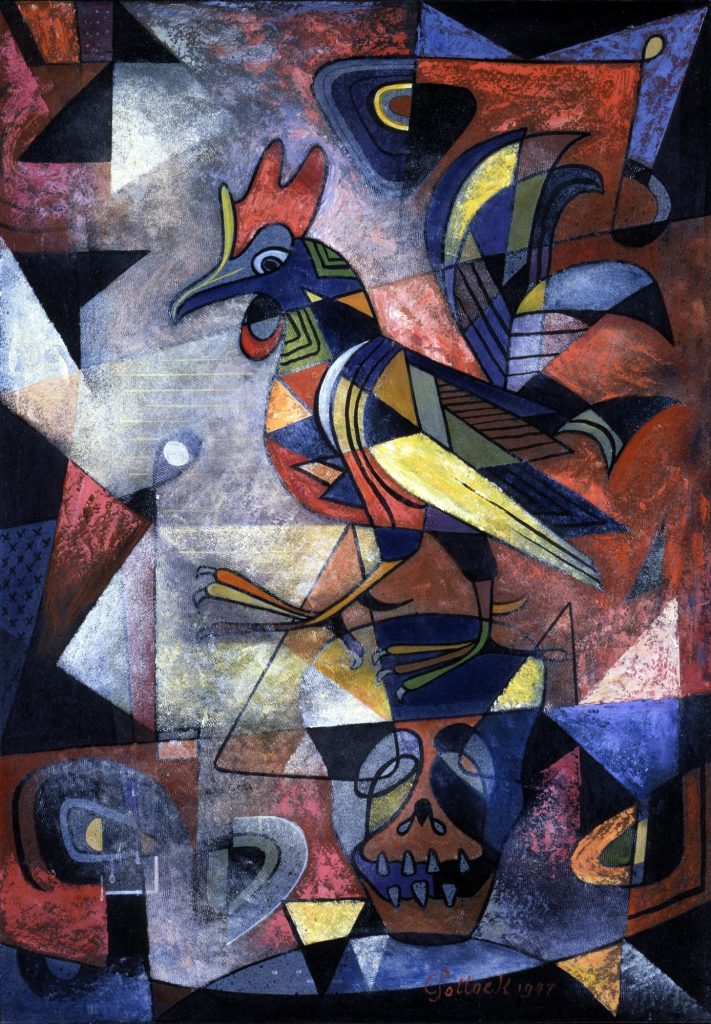
An observant viewer might have seen a small pile of earth being flicked vigorously out from around the clocktower of a more substantial building on the banks of a great river. A claw appeared scrabbling at the ground. A beak twisted towards one side and then another. There was no sound as yet. The creature must be waiting. How could it best make a start again on the weary world? It might have been hibernating or pondering slaughter.
Up it crawled and sniffed the odors of the wintry planet through the nares located on either side of a sharpened beak.
Our rooster had seen this place before. It knew the lie of the land and any number of enemies innocent for the taking. Clucking in anticipation it bowed down repeatedly hatching plans as its hens hatched eggs.
Where were his henfolk? They could be seen now emerging into the full glare of the ravaged land. They showed neither face nor plumage for they were one and all covered in costumes modeled on those worn by people in a long-forgotten TV series (and the publication it was based upon) focusing on the tribulations of handmaids who told a virtuous tale. They dressed all in red with white wimples. Beaks poked out from face coverings. Some beaks displayed shiny artificial nasal secretions: ornamentation appropriated from the fashions of their foe. They stood in a line clucking in anticipation of further impregnation and beatings.
The cock crowed loudly, blaring out his monstrous achievement.
We hid amongst the stumps of ruined huts, behind rocks and trees, shivering too in this wilderness of muddy trenches and scattered iron. Could we expect a deliverance from the menace of chicken-evil? They had come back time and time again. There had been no let-up from the torments leveled against those who dared to speak about the summers of so long ago. Those who did were soon vanquished or sought shelter waiting for help which never came.
The rooster leaders became numerous; their harems multiplied, and more of the same were hatched. They waved placards and decapitated those they deemed enemies. They moaned vainly from a book of riddles in a cacophonous language.
I had seen all this before. They came round often enough like noisy cicadas but were held back just as our seawalls defended against surging tides. Their claws would make a final breech between the groins; the end would come and the Dar al Rooster would be at hand.
Fourteen centuries and more it had taken them of periodic disruption to make this final charge against their complacent victims.
The creature whose initials were M and M, and whose name it is not now permissible to utter, made a final bound and fed by some unknown nourishment attained gigantic size dwarfing even the scattered livestock of humanity.
And what of the pigs? They had ruled for so long that few could remember a time when other, more humane animals had ruled. Their stagnant minds and their shibboleths had taken root and developed into streams of ignorance and control through several generations. Some claimed that there was still time to discover if their practices and thoughts were a useful prologue to a better world, but others had long ago understood that pigs would never amount to more than creatures whisked around in chauffeur-driven limousines. Their ability to stand upright—a thing at first miraculous to behold was later admitted to be just another literary conceit—as was the claim they could fly. Also they whined and whistled despite their sallies into what was known as ‘higher education.’ And many were those who pointed to the pigs’ profound lack of wisdom.
It was they who let enter the roosters and their brood hens. Yes, they did this to curry support and maintain their faltering power; and plagues became their guest as was once rhymed of the innocent yellowhammer’s ruined nest.
The snow had by now let up and the great poultry clan had pecked their way into power and sharpened their beaks beyond the understanding of those who did not value what they had lost.
But the future is as yet unwritten. Somewhere south of the ruins the snows had truly melted. A faint hint of something not expected, something in the air rising and burning out the sorrows of the wasted land. It had not been expected because all hope had been lost. Now like a crocus bud in the direst of winter snows a sprig of life was returning, stirred as though by an invisible intelligence.
Table of Contents
Robert Gear is a Contributing Editor to New English Review who now lives in the American Southwest. He is a retired English teacher and has co-authored with his wife several texts in the field of ESL. He is the author of If In a Wasted Land, a politically incorrect dystopian satire.
Follow NER on Twitter @NERIconoclast







2 Responses
Murmuring from my own incomprehensible book, chanting: “Let Spring begin!”
A clever analogy much as Orwell used “Animal Farm”, portraying how the roosters took over the barnyard and for 14 centuries, impregnated a harem of hens, and vainly imitated the ignorant pigs who had once ruled, and since then sharpened their beaks to peck their way to power beyond the understanding of their complacent victims.