Posted by Geoffrey Clarfield
East African public intellectual, Victor Satya who views the Middle East from an African perspective has once again provided us with deep insight on the suitcases of money that Americans and Israelis wrongly believe can buy peace. Other voices have said similar things, but Victor conveys it with vim.
Here he writes in The Times of Israel
Sheket was the dream: pay Hamas enough and they might choose prosperity over pogroms. The suitcases rolled in. October 7 rolled out. Having awakened from that particular slumber, Israel is now politely asked to watch Washington cut the same deal with a bloodied Iran. Old illusions, new luggage.
For years, Israeli governments stuck with this strategy. Quiet was the national craving. If only the right amount of Qatari cash could be funneled to Hamas, the thinking went, the rockets might fall silent and the ideology of annihilation might soften into something manageable. The suitcases arrived monthly from 2018: $15 million at a time, negotiated with Israeli approval, delivered in theatrical bundles. Prosperity would tame the beast. Or so the illusion ran.
The illusion died screaming on October 7, 2023. Hamas, fattened on those very funds and the taxation rackets they enabled, unleashed the worst massacre of Jews since the Holocaust. The group had not been domesticated; it had been subsidized. The funds, far from purchasing moderation, sustained tunnels, rockets, and an apparatus built for one purpose.
Then something remarkable happened. Israel woke up.
The old strategy of managed calm was retired with brutal clarity. In Gaza, the IDF dismantled Hamas as an organization, killed thousands of its fighters including much of its senior military leadership, and carved out buffer zones that made another October 7-style breach far harder. Hezbollah, Iran’s most potent proxy, was brought to its knees. The pager operation, Israel’s masterpiece of supply-chain subversion, maimed and killed hundreds of operatives in a single coordinated blow, shattering their sense of security and paving the way for the elimination of Hassan Nasrallah himself. Direct strikes on Iran followed, degrading the regime’s nuclear and military infrastructure in ways once deemed unthinkable.
These were not the actions of a nation sleepwalking toward the next ceasefire. They were the moves of one that had finally retired the suitcase strategy.
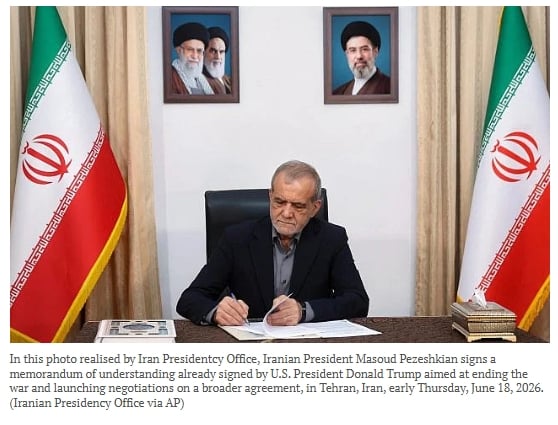
And then Washington, in its infinite wisdom, decided it was time to pack new luggage.
. . . The pre-October 7 mentality treated enemies as rational actors responsive to incentives, ignoring the ideological engine driving Hamas and Hezbollah. Feeding the apparatus of jihad did not produce moderation; it produced October 7. Yet here we are again, watching suitcases, diplomatic this time, being packed in Washington.
The recurring metaphor reveals itself: the suitcase. Once literal cash wheeled across Israeli territory to Gaza. Now metaphorical briefcases of relief heading to Tehran. Both promise calm. Both conceal the means for future violence.
True sheket, the kind worth having, does not arrive in suitcases. It is imposed by strength so unmistakable that enemies calculate the costs of breaking it as prohibitive. Israel learned this the hard way once. The suitcases of 2018 delivered not peace but prepared the ground for slaughter. The diplomatic suitcases of 2026 carry the same risk, wrapped in fresh rhetoric.
Of course this time will be different, we are solemnly assured, because nothing says “fresh start” quite like handing billions back to the regime that arms every proxy from the River to the Sea.
Read it all here.









2 Responses
“Moral laundering” is such an effective phrase… It stops as soon as the knife touches your throat no matter who you are; Christian or Jew.
My understanding is that these monies are unfrozen Iranian assets which are then spent in a descending order of priorities, a first of which is to reimburse us and allies for damages and war expenses.