By Conrad Black
After spending most of last weekend in Calgary and having the privilege of speaking with scores of well-informed Albertans including a number of prominent political figures, I came away with an uneasy feeling that it is not generally recognized in Canada how politically vulnerable this country is and how vivid and well-founded are the public policy grievances of Alberta. Alberta was a conventional farming and ranching economy until the discovery of oil there in 1947. Today, mining, quarrying and oil and gas extraction account for a quarter of Alberta’s GDP, and 70 per cent of exports, with ancillary benefits to the construction, manufacturing, transportation and other industries.
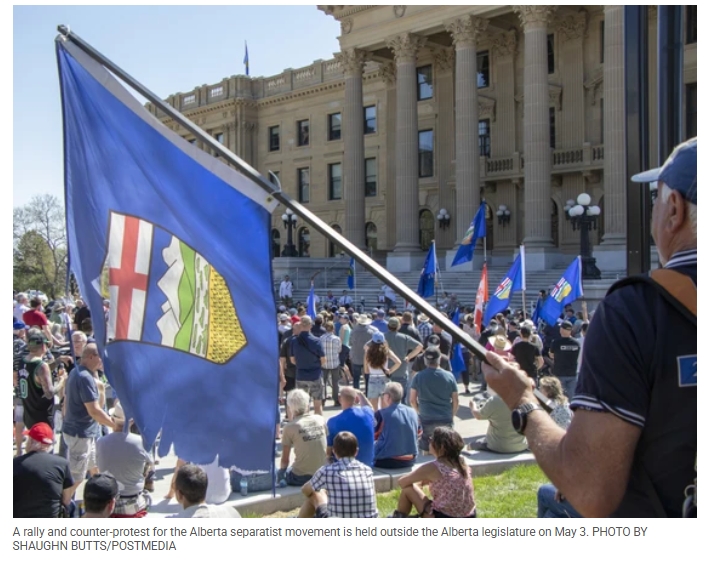
For its first 30 years as an oil and gas producing jurisdiction, Alberta’s standard of living and per capita income naturally rose accordingly, especially after the steep rises in international oil prices following the Yom Kippur War in the Middle East in 1973 and the ensuing Arab oil boycott. The first cloud on the brightening blue horizon of Alberta came in 1954, when the long-serving premier of Quebec, Maurice Duplessis, after warning the federal government for 20 years that income taxes were a concurrent jurisdiction and being ignored, imposed a provincial income tax and forced the federal government to accept its deductibility from Quebecers’ income for purposes of assessing their federal tax. This was the beginning of decentralization in Canada, as other provinces followed Quebec’s example and the federal government produced the equalization program, in which the most wealthy provinces paid through Ottawa to assist the less prosperous ones.
First published in the National Post